
After exploring upcycling, it’s time to move on to recycling! This process, often industrial, is also a driver of innovation and opportunities for creative industries. In Valais, several players are seizing its possibilities to build models that are viable, circular and locally rooted.
Recycling is not a trend. It is a historical pillar of the circular economy. But beyond being a civic duty, recycling is now becoming a real driver of innovation, entrepreneurship and design. Unlike upcycling, which transforms an object while retaining part of its original identity, recycling returns materials to their basic state so they can be reintroduced into new production cycles. The process is often industrial, even technological, and allows larger volumes to be processed. It is an essential link in the circular economy… but also fertile ground for creativity, as several projects in Valais demonstrate.
When textile recycling becomes an acoustic solution
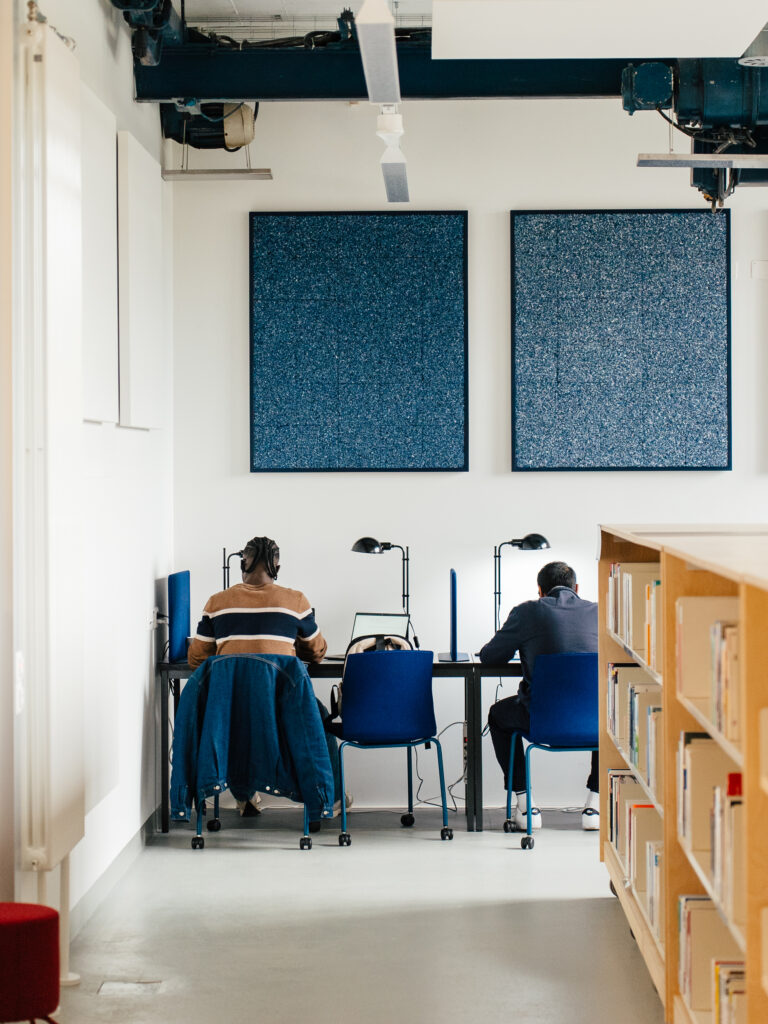
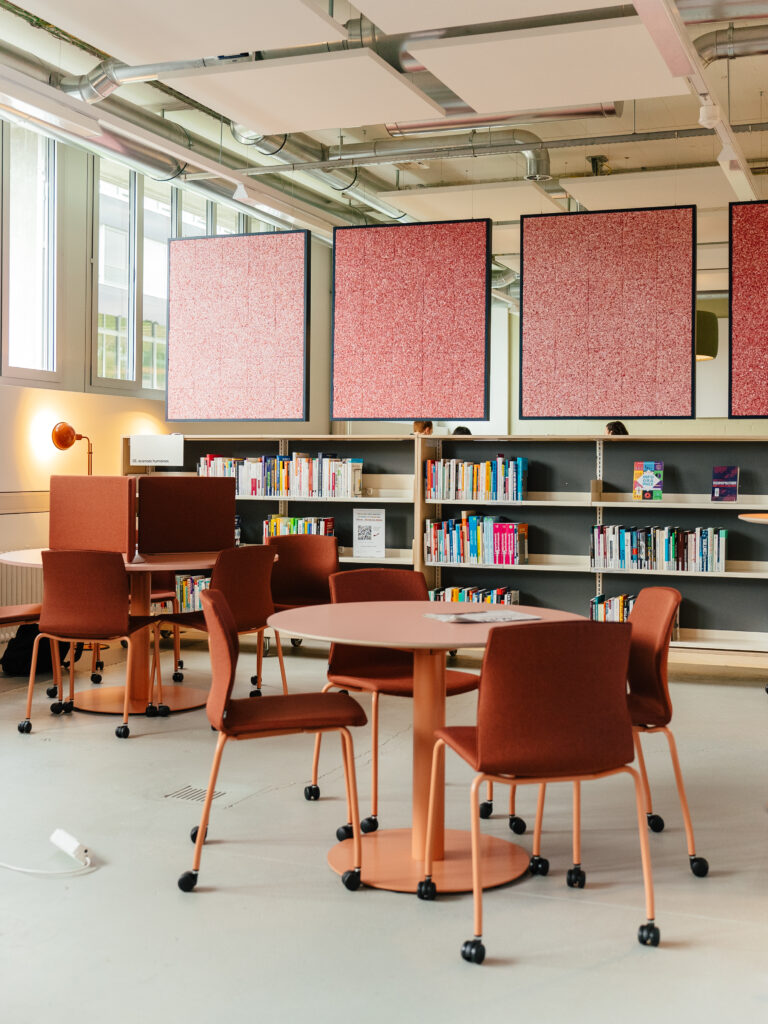
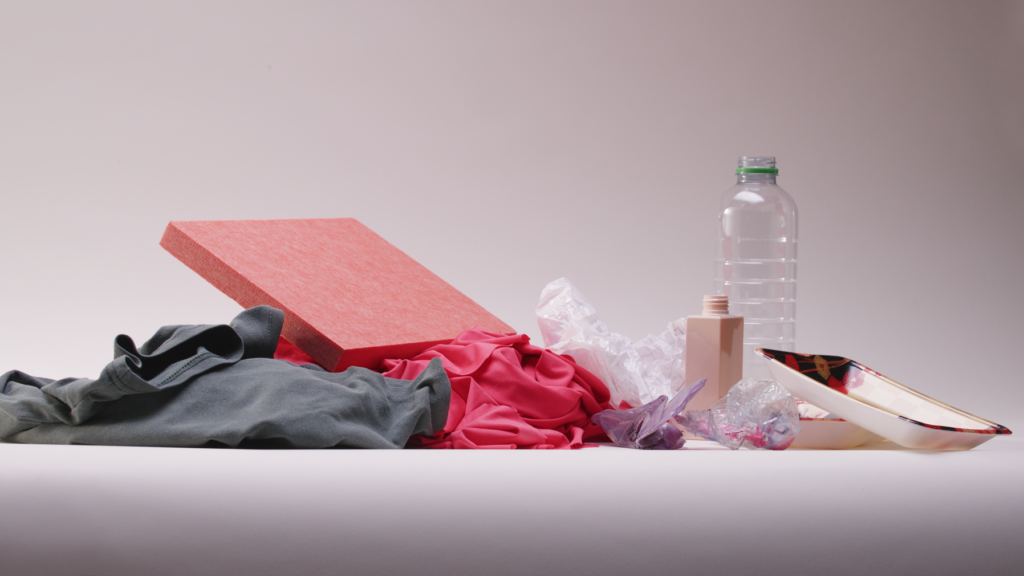
Texup transforms textile waste into acoustic panels for workspaces, educational facilities and communal areas such as libraries, cafeterias and meeting rooms. Its aim is to improve acoustic comfort while promoting a circular approach.
Its B2B model, geared towards the architecture and interior design sectors, is based on a semi-industrial process combining cotton transformation, local production and customised design. Texup thus offers an innovative alternative to incinerating textile waste or exporting it abroad.
Circular technology that broadens the scope of possibilities
The Valais-based start-up DePoly has developed a chemical process capable of breaking down PET – from textiles, rigid plastics or complex streams – into its basic components. This regenerated material, equivalent to virgin material, can be reused without any loss of performance.
The Swiss brand Odlo has partnered with DePoly to explore the recycling of textile scraps, with the aim of validating a circularity model applicable on an industrial scale.
Supported by Innosuisse, this pioneering project illustrates the potential of technological recycling that can meet industrial requirements while opening up avenues for sustainable innovation for designers.
From recycled plastic to designer spectacles
Guillaume Favre, designer and founder of the Valais-based brand OFWASTE, transforms used plastic into recycled polymer sheets, which he repurposes into spectacle frames.
Each piece is unique. The transformation process, which takes place within a radius of less than 50 km, is carried out in partnership with eyewear manufacturer Marcus Marienfeld. The result? High-end, handmade glasses that combine recycling with high technology, expertise and local roots.


Recycle to create, learn and pass on knowledge
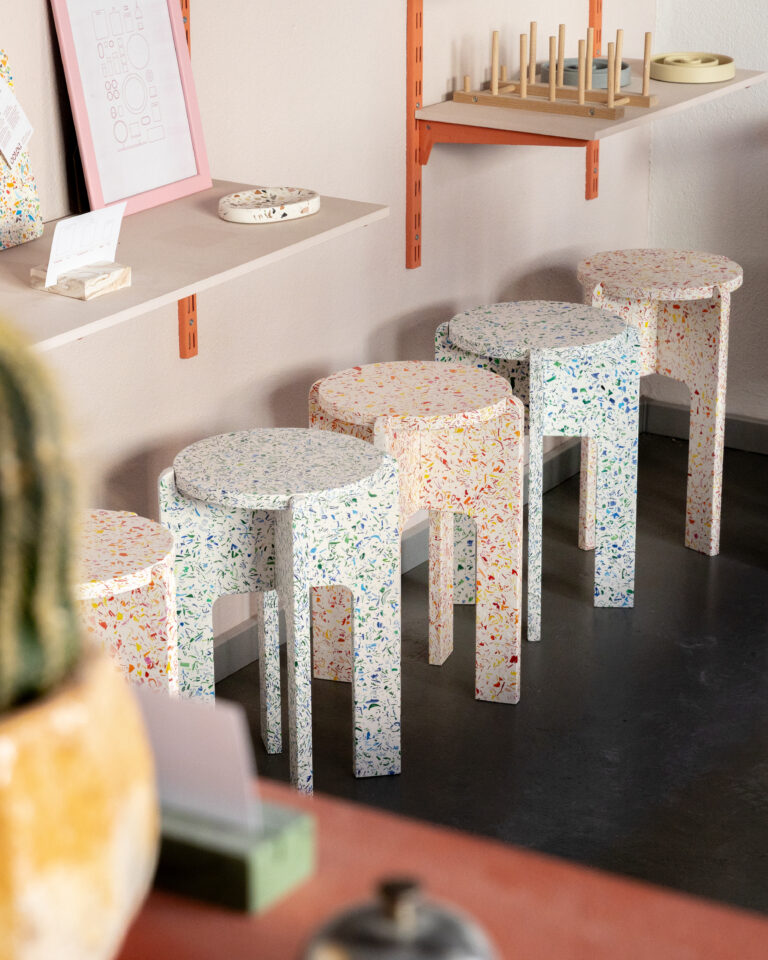
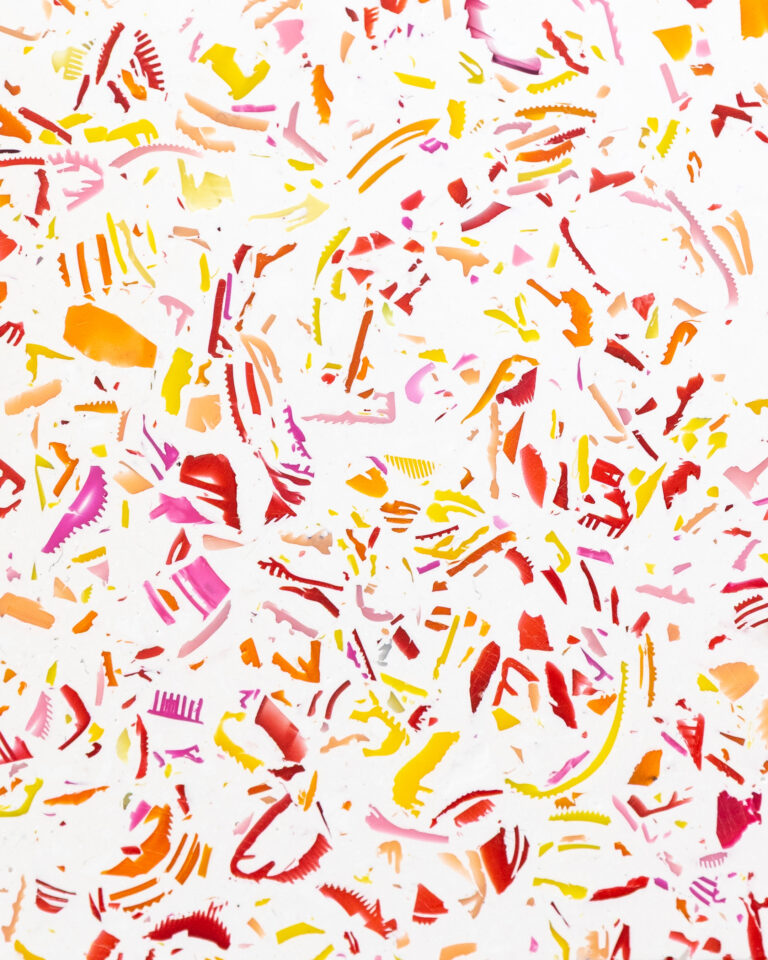
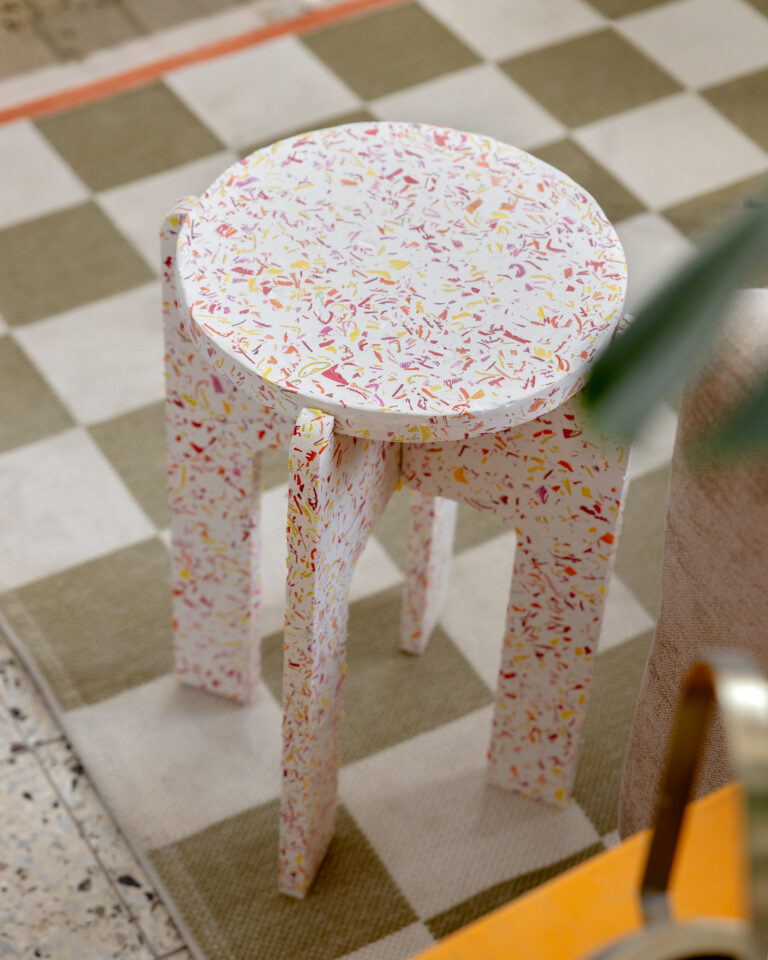
With Plastoc, Coloc Atelier transforms plastic bottle caps, which are rarely recycled in Switzerland, into designer furniture using an eco-resin-based binding agent. Each piece uses more than 900 crushed bottle caps, which are moulded locally to create sturdy, attractive and functional stools.
Driven by an educational and committed approach, the initiative aims to raise awareness of recycling issues through creativity. And at the end of their life, these stools can be resold second-hand or recycled again for complete circularity.
Coloc Atelier also designs custom surfaces for architectural projects using recycled aggregates from wood, textiles or spent grain. This is a way of broadening the scope of recycling possibilities, while remaining faithful to a local, creative and sustainable approach.
Recycling and upcycling: two approaches, one goal
While upcycling preserves part of the original object’s identity, recycling erases traces of the past to recreate new materials. These two dynamics are often complementary and contribute to the emergence of new creative and sustainable models in Valais.
From high-tech recycling to artisanal design, examples from Valais show that creative industries can use these levers to create local, sustainable and distinctive value.
But challenges remain. How can we industrialise without losing sight of the meaning behind these initiatives? How can we ensure the economic viability of these models without compromising their coherence? And how can we raise consumer awareness of these initiatives so that they become firmly established in everyday practices?
Did you miss our article on upcycling? Find out how the art of transformation is inspiring designers in Valais: “Upcycling: the art of reinventing the already used”.