When a film shoot becomes an economic opportunity
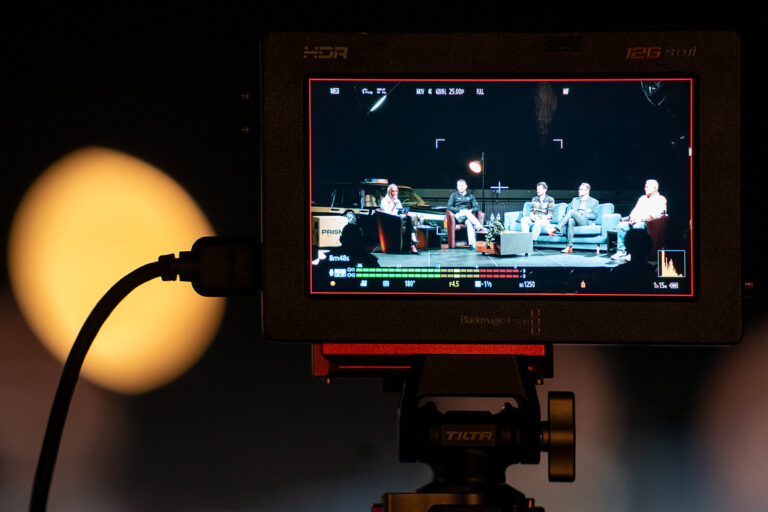
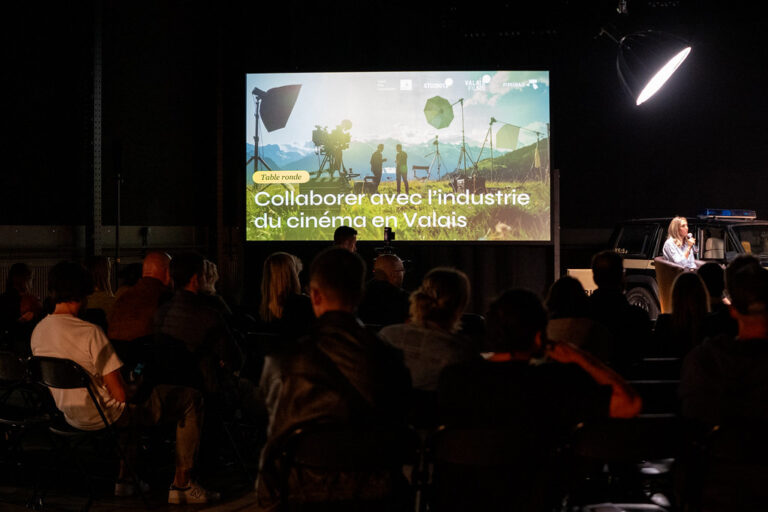
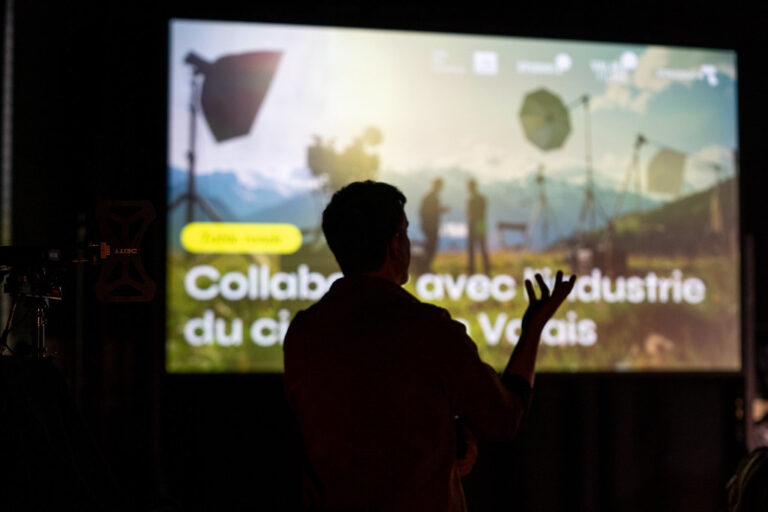
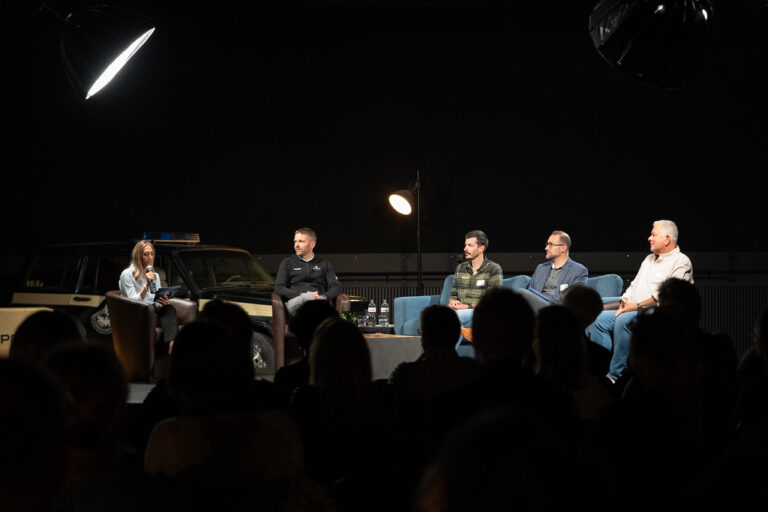
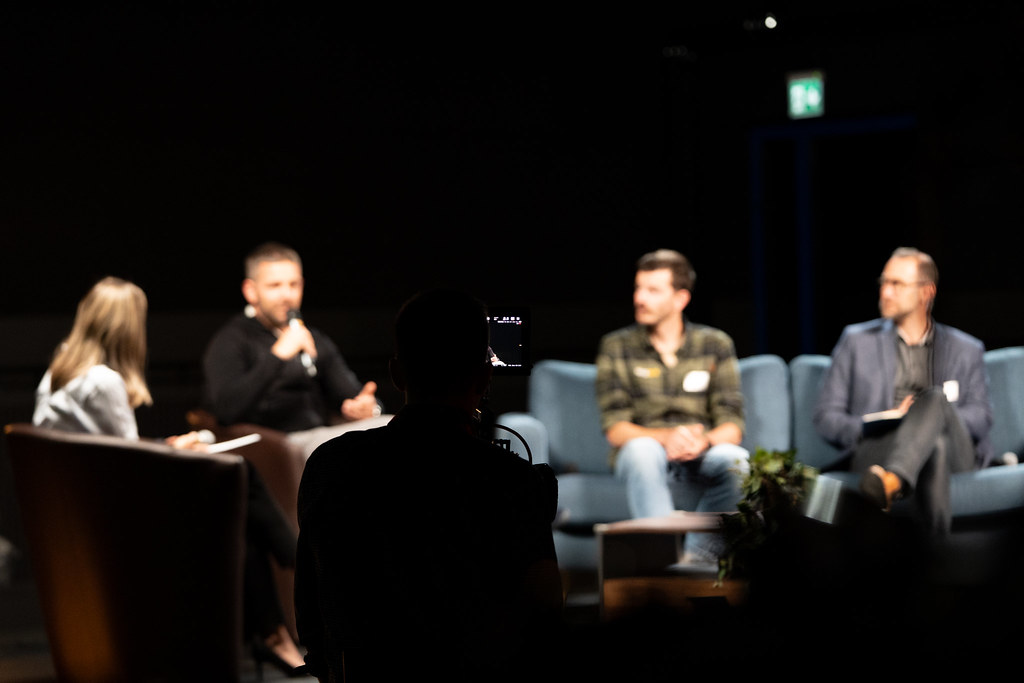
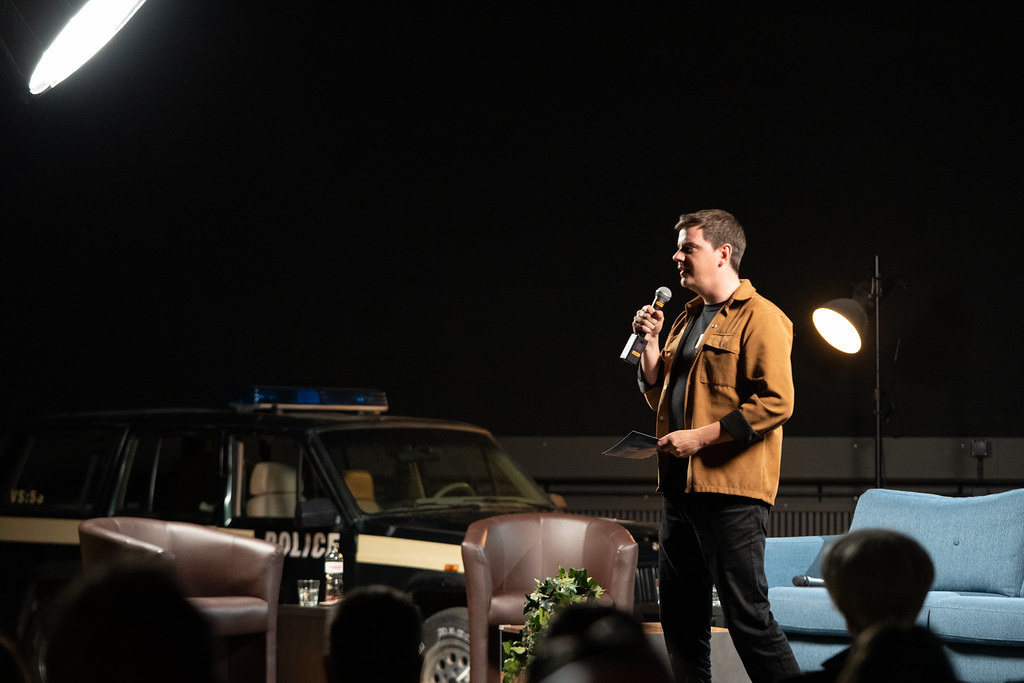
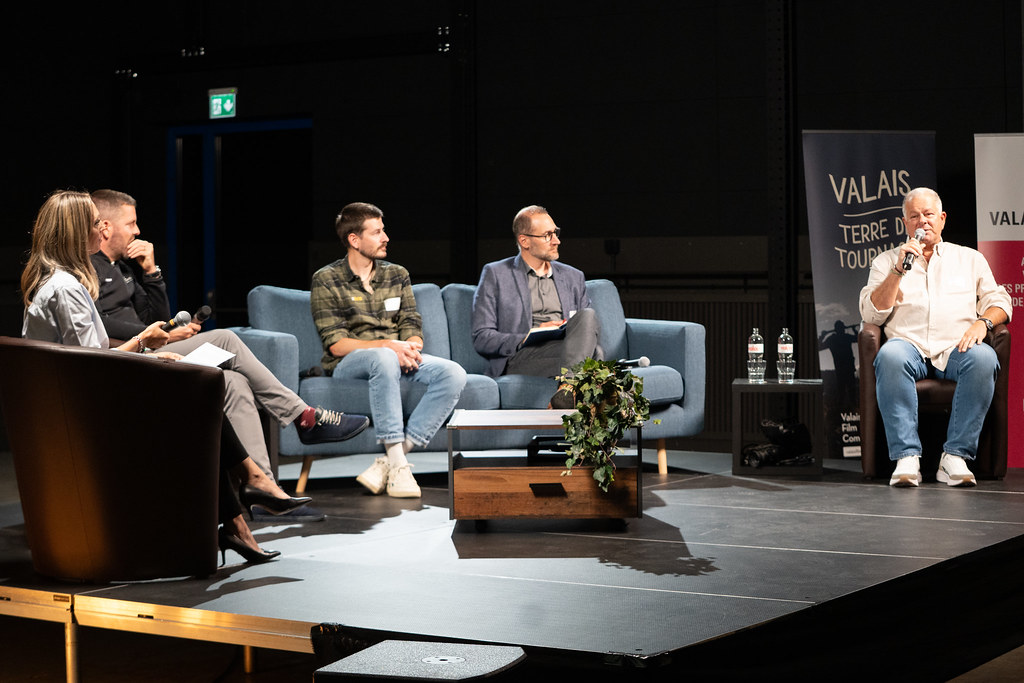
At Studio13 in Sion, it wasn’t just film professionals who gathered, but an entire ecosystem. Entrepreneurs, craftspeople, tourism stakeholders and institutions – more than fifty people came together to discuss a question that has rarely been addressed in Valais: how can we collaborate with the film industry?
Because behind a film, there is much more than just a script. A film shoot involves teams that can be quite large, requiring accommodation, food, transport and equipment. Added to this are requirements for equipment, sets, props and technical support, often sourced locally. All these needs are directly embedded in the local economy.
The figures confirm this reality. In Valais, every franc invested in a production generates around five francs in economic benefits. Accommodation, catering, services, local purchases… the film industry acts as a catalyst for economic activity, often over concentrated periods.
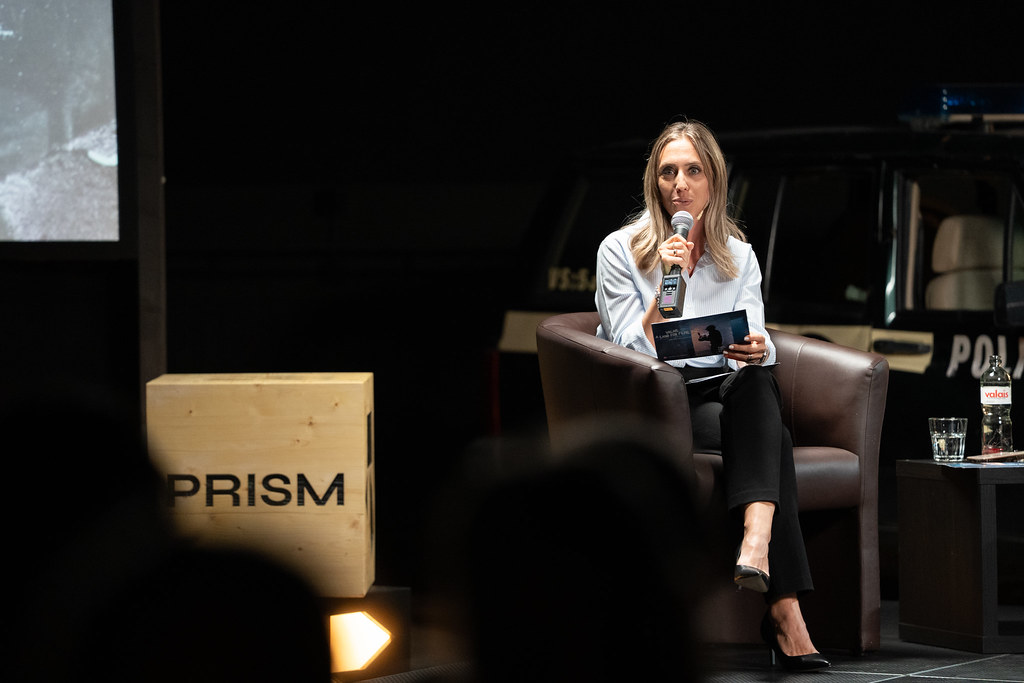
“A film is not just a work of art; it is also an economic ecosystem in which businesses and local areas can interlock.”
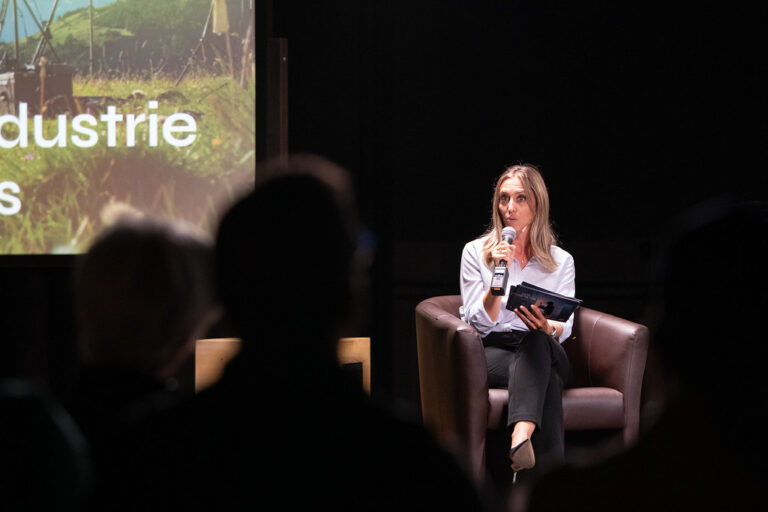
— Laude Camille Chanton, member of the Valais Film Commission and host of the evening
From theory to practice: where do collaborations take place?
Understanding how to collaborate with the film industry means, first and foremost, understanding how a film is made.
From writing to distribution, each stage opens up different opportunities. Some companies get involved as early as the project development stage, through sponsorship or product placement. Others find their place during filming, when needs become immediate and operational. Finally, some collaborations really come into their own after the film’s release, in terms of image and visibility.
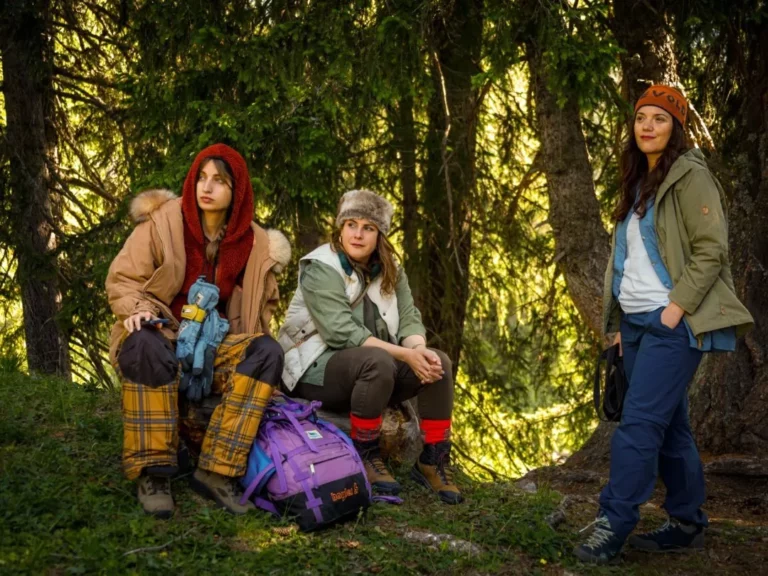
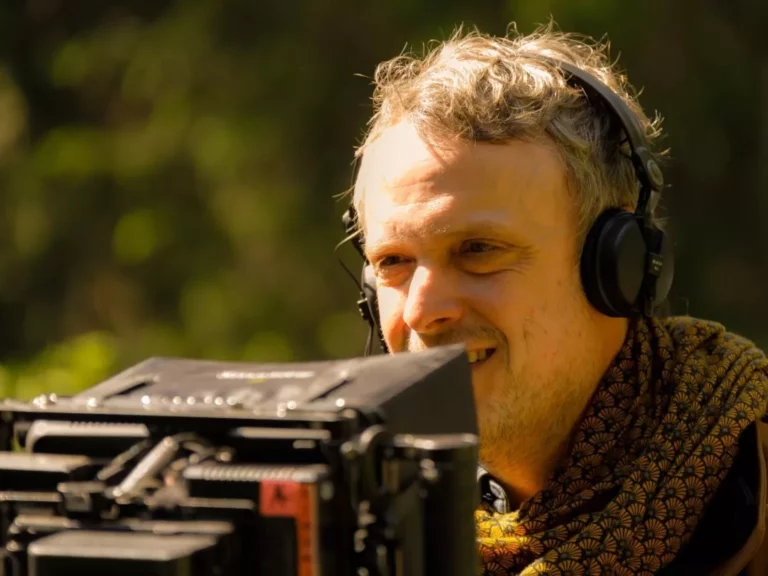
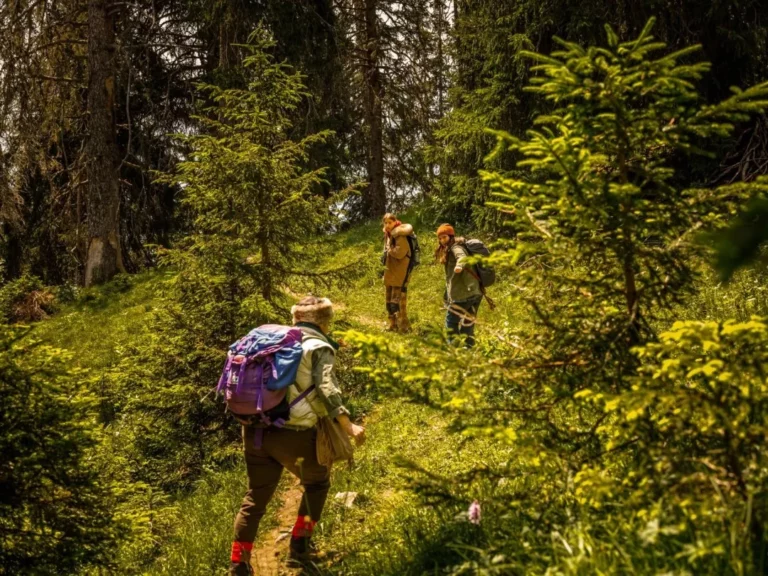
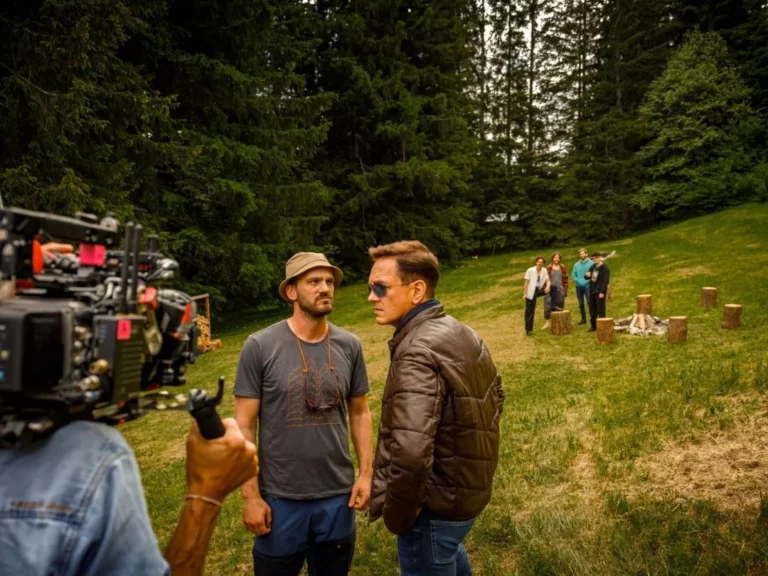
But it is on the ground that the opportunities are most tangible. A film shoot can sometimes involve dozens of people present for several weeks. In Anzère, hosting the series Endangered Species mobilised between thirty and a hundred people, depending on the time of year. For the resort, the impact was immediate, particularly during a summer season that is usually quieter.
As Jonathan Plattet, Anzère’s communications and marketing manager, explains, these benefits are not limited to the immediate economic impact: they also have a lasting effect, through the resort’s image, the content generated and even the return of visitors who discovered the destination during filming.

Building partnerships rather than one-off opportunities
On the corporate side, approaches are also evolving. The example of Distillerie Morand, shared by its director Fabrice Heanni, illustrates this transformation well.
Following an initial, inconclusive experience with product placement — which proved costly and offered little screen visibility — the company changed its strategy. Rather than relying on a single appearance in a film, it now favours a more gradual approach: increasing the number of collaborations, testing different formats and, above all, building a narrative around these partnerships.
This can take the form of merchandise, such as special labels linked to a film — as seen in the collaboration around Claude Barras’s animated film Sauvages — or through activations at preview screenings. The aim is no longer simply to appear on screen, but to create content, strengthen its brand image and embed the collaboration within a broader strategy.
This approach also makes it easier to manage uncertainties. Because in cinema, final visibility is never guaranteed. Certain scenes may be cut, altered or restricted by legal considerations — particularly in sensitive sectors such as alcohol.
Hosting a film shoot: balancing opportunity and coordination
Whilst the benefits are real, hosting a film shoot also requires a certain amount of preparation. At HES-SO Valais, the filming of the series Intraçable required careful coordination between the production’s needs and the institution’s day-to-day operations.
As Xavier Bianco, head of communications, points out, the main challenge lies in mutual understanding: striking a balance between the constraints of the shoot — which are often demanding in terms of timing and flexibility — and those of the host organisation.
Once this balance is achieved, the benefits extend beyond the purely operational sphere. Beyond the visibility, a sense of pride also takes hold: the pride of seeing one’s environment featured in an audiovisual production and shared with a wider audience. Internally, these experiences create shared moments, spark curiosity and enthusiasm, and provide unique content to be showcased in institutional communications.
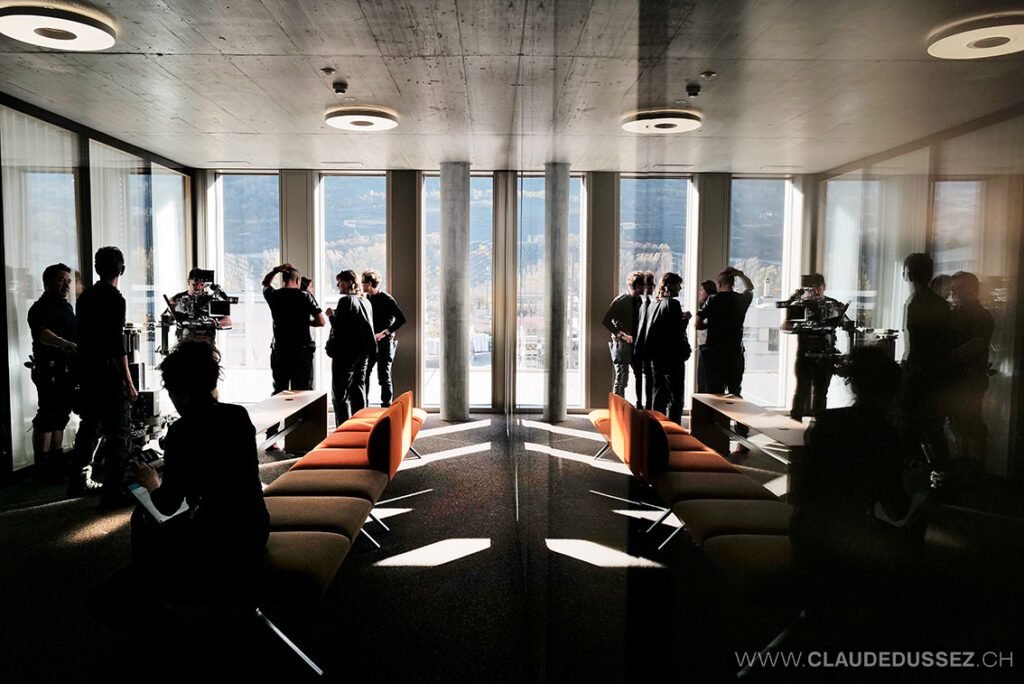
© Claude Dussez for the Valais Film Commission
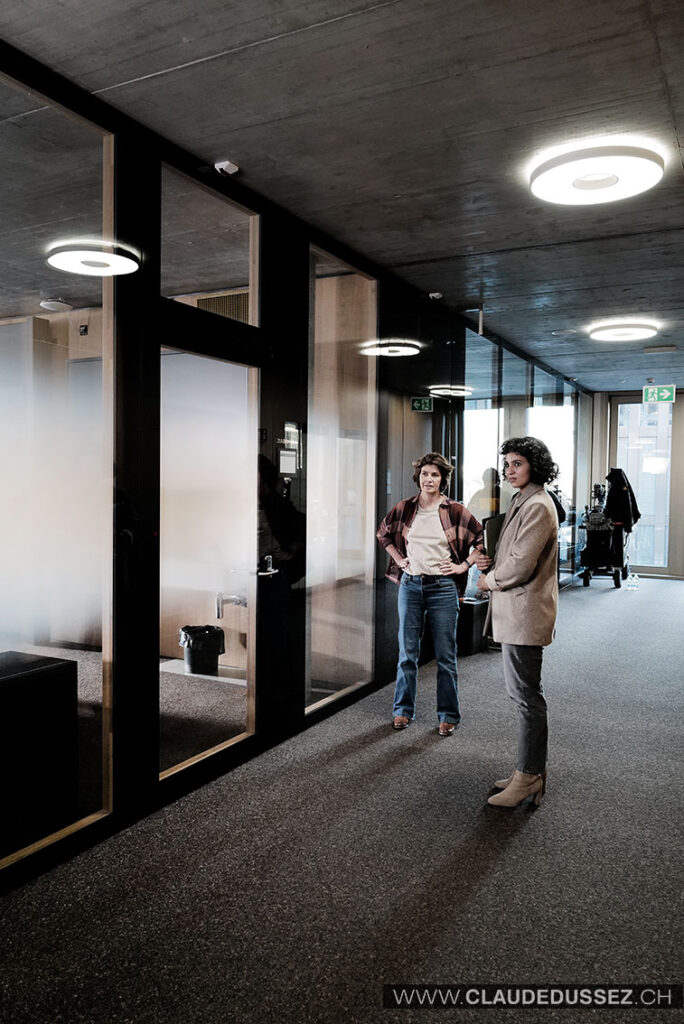
The role of local actors in a film shoot
Within this ecosystem, the Valais Film Commission plays a key facilitating role. It acts as a link between production companies and local stakeholders, identifying service providers, suggesting locations and supporting film shoots in the region. For businesses, it is the main point of entry. Being listed with the Valais Film Commission not only boosts visibility among production companies but also provides a better understanding of how the sector operates and the requirements involved in a film shoot.
This is because, from the production side, collaborations form part of a process that begins well in advance. As Jean-Marie Gindraux, production manager, explains, filming locations and some of the requirements are generally determined by the script, the budget and technical constraints.
Nevertheless, local collaborations remain essential throughout the process. The teams remain open to relevant solutions, whether to identify locations, suggest specific venues or meet practical needs on the ground. In this context, businesses and institutions can play an active role by positioning themselves as local resources capable of facilitating the shoot.
The ability to quickly propose solutions, understand requirements and facilitate logistics can make all the difference when choosing service providers.
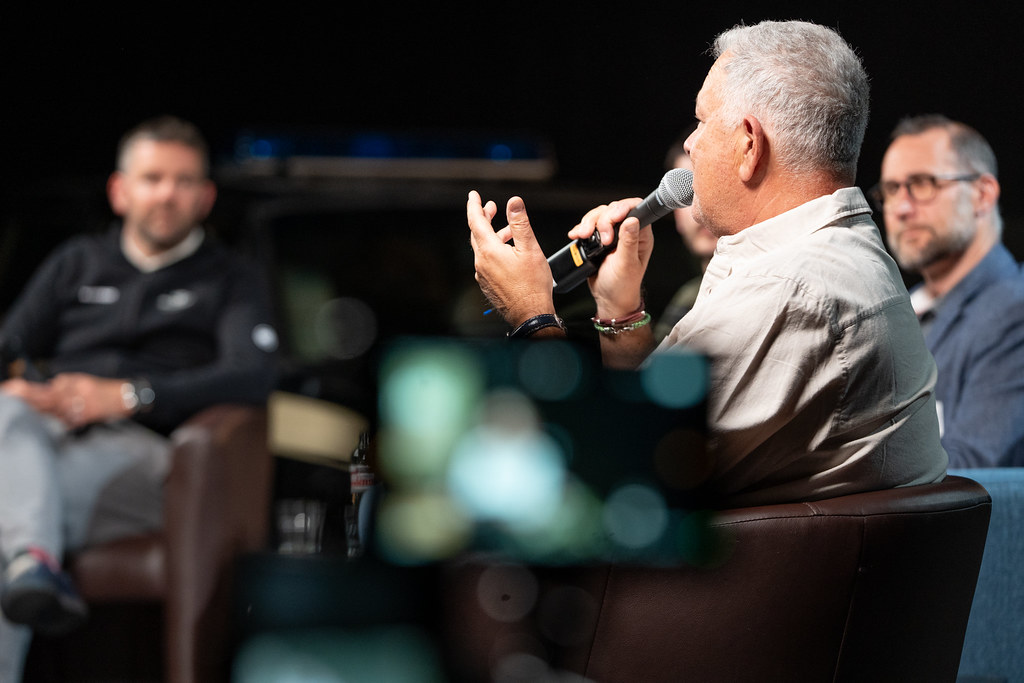
“Every film shoot presents an opportunity for the local economy, provided that local businesses are visible and ready to meet the needs of production companies.”
— Jean-Marie Gindraux, Production Manager.
Simple steps to join the ecosystem
You don’t necessarily need prior experience in the film industry to get involved in this ecosystem. There are several simple steps you can take to get started:
- register as a service provider or supplier
- offer a location as a film set
- check the requirements of productions
- or simply get in touch to explore the possibilities
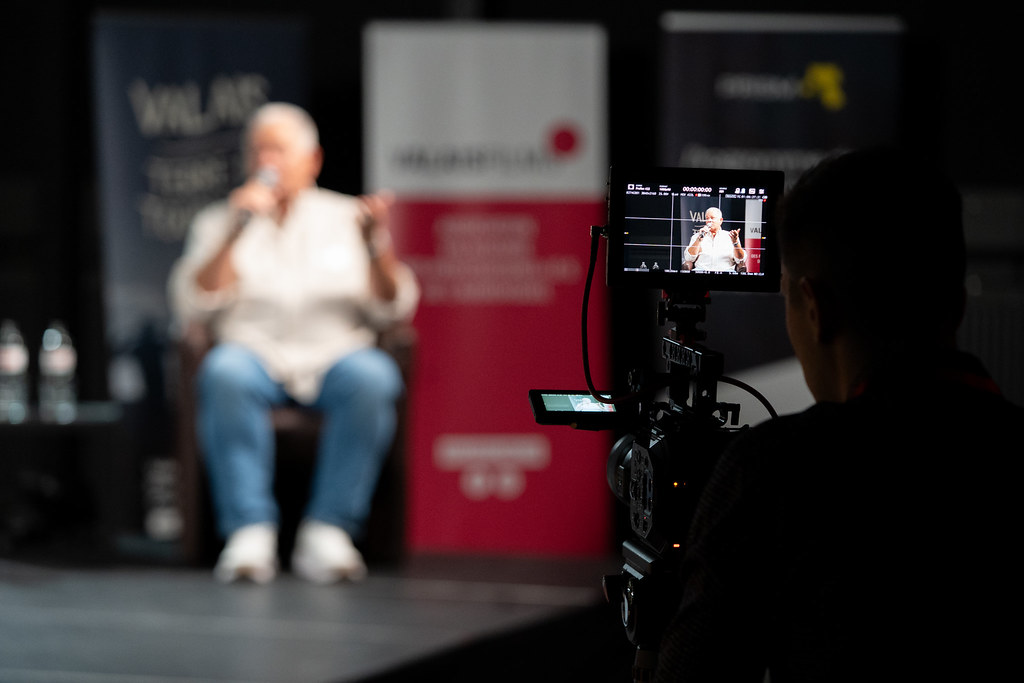
Key points to bear in mind when working with a production team
Getting started in the film industry requires less of a shift than you might think, but certain approaches clearly make those initial contacts easier:
- Making yourself visible to production companies
- Being listed with the Valais Film Commission is often the first step. This ensures you’re quickly identified when a need arises.
- Think in terms of concrete solutions
- Film crews are looking above all for efficiency: a venue that’s available, a reliable service, a quick response. The ability to simplify their organisation is a real asset.
- Be flexible and responsive
- Requests can arrive at short notice and change quickly. A degree of flexibility regarding schedules or conditions can facilitate collaboration.
- Showcase what you already do
- It’s not about creating a new business, but adapting existing expertise to a different context: welcoming, providing, supporting.
- Think beyond the shoot
- A collaboration can also generate content, images or stories to reuse in your communications.
- Test on a small scale
- An initial collaboration, even a one-off, helps you understand how the sector works and identify new opportunities.
A potential for collaboration that remains untapped
The film industry in Valais is growing. Film shoots are on the rise, infrastructure is being strengthened and links with the local economy are becoming more visible. Yet some of the potential for collaboration remains to be explored. Many businesses could find a new source of activity, visibility or inspiration in this sector, without disrupting their core business. For many stakeholders, it is primarily a question of extending existing activities into new contexts — supplying, hosting, supporting — rather than reinventing themselves.
Collaborating with the film industry means putting one’s expertise at the service of a one-off project, with different rhythms and a new level of visibility.
What if the next film shoot were to come your way?
The opportunities are there, tangible and within reach. All that remains is to make yourself known, give things a go, and gradually find your place within this ecosystem.